
Guide7 min read
Current officials for the citizenship test: the answers that change
Eight of the 128 civics questions ask for a person or place that depends on when and where you live. Four names are the same for everyone in the country; four depend on your state. Here are today's national answers, what the November 2026 elections change, and how to find your own senators, representative and governor in two minutes.
Most civics answers have not changed in two hundred years. George Washington will always be the first President, and the Constitution will always be the supreme law of the land. But a few questions ask about right now: who leads the country, who represents you, who governs your state. These answers change with elections and appointments, so you cannot learn them once and forget them.
There are eight such questions on the 2025 civics test. Four of them are marked with an asterisk for the 65/20 group, which makes them even more important for older applicants: questions 30, 38, 39 and 61.
The rule: name who is in office on interview day
The official USCIS question list says it plainly: you must answer with the name of the official serving at the time of your naturalization interview. Not when you filed, not when you studied. If the person changes between your application and your interview, the new name is the right answer.
For the national questions, USCIS keeps the current names on its civics test updates page. For the questions about your state, the answer is different for each applicant, and the officer knows where you live from your N-400.
The four national answers today
These are the same for everyone in the United States. Checked on October 31, 2026.
| Question | Answer today | In office since |
|---|---|---|
| Q38: President of the United States | Donald J. Trump | January 20, 2025 |
| Q39: Vice President | JD Vance | January 20, 2025 |
| Q30: Speaker of the House of Representatives | Mike Johnson | October 25, 2023 |
| Q57: Chief Justice of the United States | John G. Roberts, Jr. | September 29, 2005 |
A few notes on each:
- President (Q38) and Vice President (Q39). Both are elected together every four years. The next presidential election is in November 2028, and the winners take office on January 20, 2029. Unless something unusual happens, these two answers will not change before then.
- Speaker of the House (Q30). The Speaker is chosen by the members of the House of Representatives, not by voters directly. The House votes for a Speaker at the start of each new Congress, every two years, and can also replace a Speaker in the middle of a term. This is the national answer most likely to change soon (see the midterm section below).
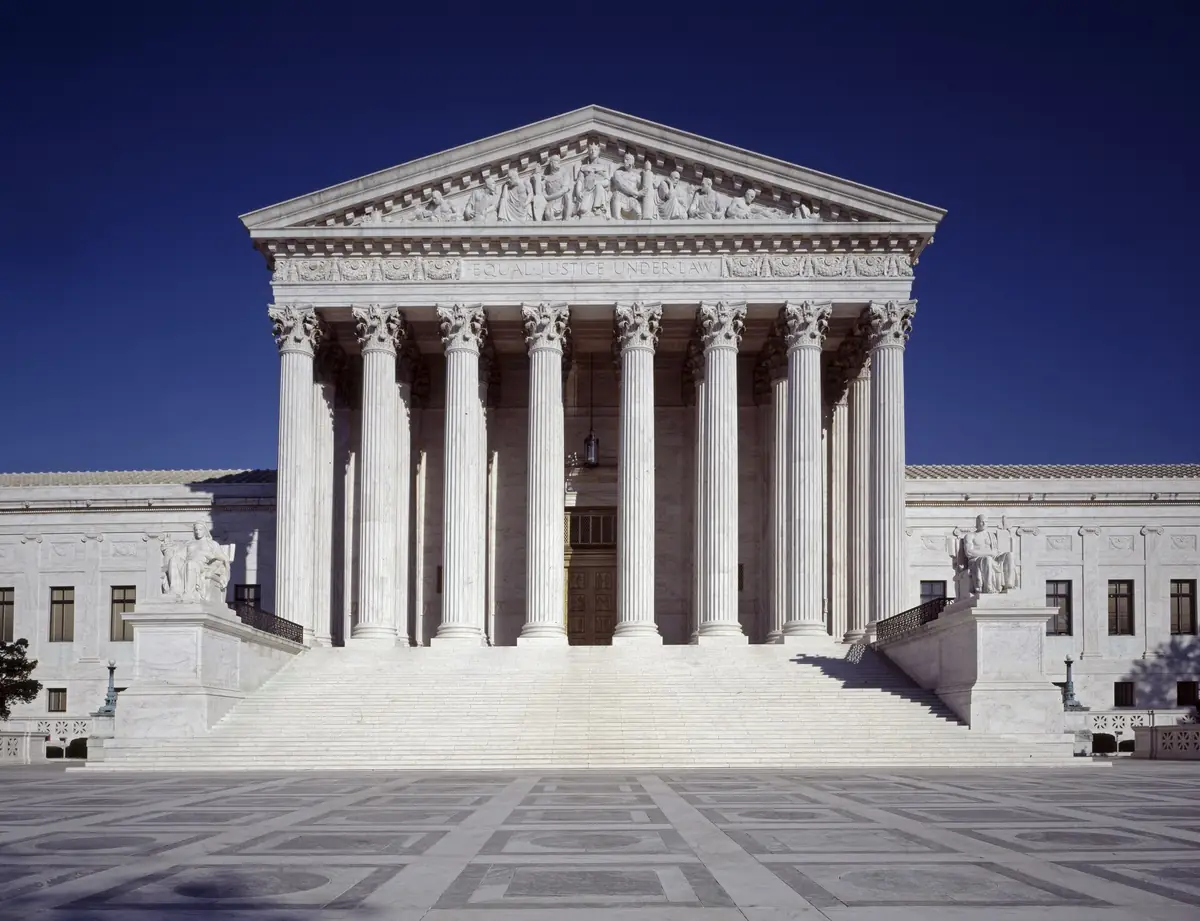
- Chief Justice (Q57). Supreme Court justices serve for life, so the Chief Justice changes only when one retires or dies and the President appoints, and the Senate confirms, a replacement. John Roberts has held the job since 2005.
You do not need titles or middle initials. “Donald Trump”, “JD Vance”, “Mike Johnson” and “John Roberts” are all acceptable ways to say the names.
The four answers that depend on where you live
| Question | What to learn | Where to check |
|---|---|---|
| Q23 | One of your state’s two U.S. senators | senate.gov |
| Q29 | Your U.S. representative | house.gov ZIP code search |
| Q61 | Your state’s governor | usa.gov/state-governments |
| Q62 | Your state’s capital | usa.gov/state-governments |
Senators (Q23). Every state has two U.S. senators. You need the name of only one, but learn both in case you forget one under pressure.
Representative (Q29). Your representative depends on your congressional district, which depends on your exact address, not just your city. Two neighbours in the same city can have different representatives.
Governor (Q61). This is a 65/20 question, so older applicants should know it well.
State capital (Q62). The capital is often not the largest city. The capital of New York is Albany, not New York City; the capital of California is Sacramento; the capital of Texas is Austin; the capital of Florida is Tallahassee; and the capital of Illinois is Springfield.
What the 2026 midterm elections change
The United States holds midterm elections on November 3, 2026. Voters choose all 435 members of the House of Representatives, about a third of the Senate (35 seats this year, including two special elections), and governors in 36 states. Here is what that means for your interview:
| If your interview is… | What to answer |
|---|---|
| Before early January 2027 | The people in office now. Winners of the November election have not started yet. |
| On or after January 3, 2027 | Your senators and representative as of the new Congress, and the Speaker the new House elects. |
| After your state’s inauguration day | Your new governor, if your state elected one. Most new governors start in January, but dates vary by state. |
Three practical points:
- The Speaker vote happens when the new House first meets. New members’ terms begin on January 3, and the House usually elects its Speaker that day or soon after. If your interview is in early 2027, check the USCIS updates page again the week before.
- Some states redrew their congressional maps for the 2026 election, including Texas, California, North Carolina, Missouri and Ohio. If you live in one of these states, your district number, and so your representative, may be different after January 2027 even if you have not moved. Use the house.gov ZIP code search again after the new Congress starts.
- Moving changes your answers too. If you move to a new state before your interview, you need your new state’s senators, governor and capital.
ReadyPass will update this page and our question pages after the election results are certified and the new officials take office.
How to find your own answers
- Senators: go to senate.gov, choose your state from the “Find Your Senators” menu, and write down both names.
- Representative: go to house.gov and type your ZIP code into “Find Your Representative”. If your ZIP code covers more than one district, the site asks for your street address.
- Governor and capital: go to usa.gov/state-governments and open your state’s page.
- National names: check uscis.gov/citizenship/testupdates the week before your interview.
Write all the answers on one card and keep it with your study notes. It takes about two minutes, and these are some of the easiest points on the test once you have done it.
If you live in D.C. or a U.S. territory
The official list includes special answers for people who do not live in one of the 50 states:
- District of Columbia, Q23: say that D.C. has no U.S. senators.
- Territories, Q23: say that your territory (for example Puerto Rico or Guam) has no U.S. senators.
- Territories, Q29: you may name your nonvoting Delegate or Resident Commissioner, or say that the territory has no voting representatives in Congress.
- District of Columbia, Q61: say that D.C. does not have a governor.
- District of Columbia, Q62: say that D.C. is not a state and does not have a capital.
- Territories, Q62: name the capital of your territory, such as San Juan for Puerto Rico.
How to remember the names
- Say them aloud every day for the last two weeks before your interview. Names are easier to recall when you have heard yourself say them.
- Connect each name to a face. Look up an official photo once so the name is linked to a picture in your memory.
- Group them by branch. President, Vice President: executive. Speaker, your senators, your representative: legislative. Chief Justice: judicial. This also helps with the three branches question.
- Practise in a mixed order. On the real test the questions come at random, so our practice test shuffles them too.
For the full study method, read how to pass the US citizenship test, and if your interview is close, our guide to what happens at the citizenship interview.
Frequently asked questions
Who is the President of the United States now for the citizenship test?
As of October 31, 2026, the President is Donald J. Trump. Always check the USCIS test updates page shortly before your interview.
Who is the Speaker of the House now?
As of October 31, 2026, the Speaker of the House is Mike Johnson. The House elects a Speaker when a new Congress begins, so the answer can change in January 2027.
Who is the Chief Justice of the United States now?
As of October 31, 2026, the Chief Justice is John G. Roberts, Jr., who has served since 2005.
Do I need to know my senators' political party?
No. The 2025 civics test asks only for the name of one of your state's two U.S. senators.
What if an election happens between my study time and my interview?
Give the name of the person in office on the day of your interview. Officials elected in November 2026 take office in January 2027, so until then the current officeholders are the right answer.
Start practicing now
Study all 128 questions with explanations and take a free practice test.
Sources
- USCIS M-1778 (09/25): 128 Civics Questions and Answers (2025 version)
- USCIS: Civics test updates (answers that change)
- U.S. Senate: Find your senators
- U.S. House of Representatives: Find your representative
- USA.gov: State governments (governors and capitals)
- Supreme Court of the United States: Current members
- SMACNA: Redistricting and the 2026 political landscape (36 governor races)
ReadyPass is not a government website. Always confirm requirements with USCIS.